
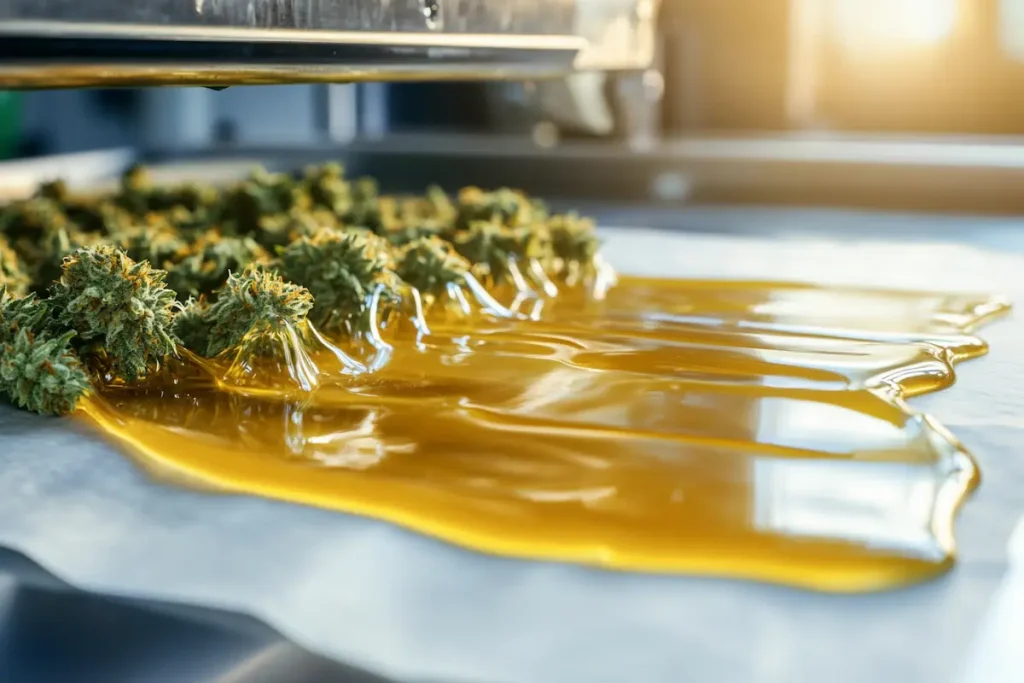
Resin extraction is an essential process for obtaining high-quality cannabis concentrates. Using different techniques, the trichomes are separated from the plant, resulting in a more potent and purer product. Depending on the method used, it’s possible to achieve different textures and levels of concentration, so the resin can be adapted to different ways of consuming it.
What’s more, resin extraction has a direct influence on the quality of the final product, as a proper procedure ensures that the cannabinoids and terpenes in the plant are preserved. Factors such as the cannabis genetics, the growing method and the precision of the extraction determine the flavour, potency and user experience. That’s why it’s essential to know the various options available and choose the most suitable one for your resources and needs.
What is resin extraction and why is it important?
Resin extraction is the process by which the trichomes are separated from the cannabis plant to obtain a concentrated substance rich in cannabinoids and terpenes. This procedure is essential to maximise the plant’s potential and make more effective use of its properties.
First of all, resin extraction is crucial because it makes it possible to increase the potency of the final product, as it concentrates the active compounds in cannabis, delivering more intense and longer-lasting effects. This process also helps to improve purity, removing unnecessary plant material that could affect the quality of the result.
On the other hand, one of the great advantages of this procedure is the versatility of the products obtained. Depending on the extraction method used, different types of concentrates can be made, such as oils, hashish and rosin, each with specific characteristics and uses.
Finally, it’s worth highlighting that there are various methods of extracting cannabis resin, each with its own particularities and benefits. The choice of technique will depend on the resources available, level of experience and desired result.

Main methods of cannabis resin extraction
When it comes to resin extraction, it’s essential to know the different methods available, as each one has advantages and particularities that affect the purity, potency and safety of the final product. Broadly speaking, the procedures fall into two categories: mechanical extraction and solvent extraction. Below we look at each one in detail.
Mechanical extraction
Mechanical resin extraction is based on the physical separation of the trichomes without the use of chemicals. It is one of the most natural and safest techniques, as it avoids solvent residues in the final product. There are several methods in this category, including:
Dry Sift
This method involves rubbing the buds over screens of different micron sizes in order to dislodge the trichomes and obtain a fine powder known as kief. Once collected, it can be pressed to form hashish of different qualities depending on the degree of filtering applied.
✅ Advantages:
- Simple and accessible method.
- No solvents or specialised equipment required.
- It allows to obtain a natural and residue-free product.
❌ Disadvantages:
- A large amount of raw material is needed to obtain a good amount of resin.
- The quality of the product depends on the micronage of the meshes used.
Ice and water extraction (Bubble Hash)
This process uses filter bags and ice water to freeze and dislodge the trichomes from the plant material. The water is then filtered through different levels to collect the resin according to its degree of purity.
✅ Advantages:
- Efficient method to separate trichomes without degrading cannabinoids.
- It produces very pure hashish when done correctly.
- No chemicals or solvents are used.
❌ Disadvantages:
- It requires more time and effort compared to other methods.
- Moisture can affect the quality of the product if it is not dried properly.
Rosin (hot pressed)
This method involves applying heat and pressure with a specialised press to extract the resin from the buds or kief. It has become one of the most popular techniques, as it uses no solvents and delivers a clean, potent extract.
✅ Advantages:
- Safe and chemical residue-free method.
- The result is a high potency, high quality product.
- It can be done at home with affordable equipment.
❌ Disadvantages:
- It requires appropriate temperatures and pressure in order not to degrade the terpenes.
- The amount of resin extracted depends on the quality of the source material.
Solvent extraction
Unlike mechanical methods, solvent extraction produces purer and more potent concentrates, although it carries certain risks if not done properly. These methods require specialised equipment and technical knowledge to ensure a safe product free of chemical residues.
Butane extraction (BHO - Butane Hash Oil)
This process uses butane as a solvent to dissolve the resin from the buds, after which the gas is purged to obtain a highly concentrated extract such as shatter, wax or crumble. It is one of the most widely used methods in the concentrates industry.
✅ Advantages:
- It allows obtaining very potent extracts with a high concentration of cannabinoids.
- It offers different textures depending on the technique used (shatter, wax, budder, etc.).
❌ Disadvantages:
- Butane is highly flammable, so the process must be carried out with extreme caution.
- Requires proper purging to remove any solvent residue.
Ethanol extraction
Ethanol is a safe and efficient solvent for extracting cannabinoids and terpenes from the plant. Once the extraction is done, the alcohol evaporates completely, leaving only the pure resin. It is one of the most widely used methods for producing cannabis oils and tinctures.
✅ Advantages:
- Safe and widely used method in the medical industry.
- A wide range of cannabinoids and terpenes can be extracted.
- It leaves no toxic residues if properly purged.
❌ Disadvantages:
- It can also extract chlorophyll, which affects the flavour and colour of the extract.
- Requires complete evaporation of the solvent to ensure purity.
Supercritical CO₂ extraction
This is one of the most advanced and safest methods, as it uses supercritical carbon dioxide to extract the resin without solvent residues. It is the preferred process in the pharmaceutical industry and for producing high-quality cannabis oils.
✅ Advantages:
- An extremely clean and safe method.
- A pure extract is obtained without solvent residues.
- It allows the extraction to be adjusted to obtain different cannabinoid profiles.
❌ Disadvantages:
- It requires expensive and highly specialised equipment.
- It is not an accessible method for home extractions.
Factors influencing the quality of cannabis resin
In order to obtain a high quality resin, it is essential to consider several factors:
- Plant genetics: Some varieties produce more trichomes than others.
- Growing method: The use of fertilisers and the growing environment affect resin production.
- Extraction technique: A careful process preserves the essential cannabinoids and terpenes.

How to choose the best resin extraction method?
The choice of method will depend on the final purpose and available resources:
- If you’re looking for a safe and natural extraction, rosin or bubble hash are ideal.
- For commercial extractions, supercritical CO₂ and BHO offer the best results in terms of purity and yield.
- If you want a home-made, accessible method, dry sifting is an excellent option.
Extract cannabis resin efficiently and safely
Resin extraction makes it possible to obtain concentrated, potent cannabis products. Choosing the right method depends on safety, quality and the desired result.
If you want to enjoy the finest cannabis-derived products, at Terpy Barcelona we offer you access to our community. Become a member of our cannabis club and discover a premium experience with top-quality cannabis.
You may also be interested in
Want to get to know us? Discover our cannabis club in Ciutat Vella, see how to get to the club and contact us to request your invitation. Access for members aged 18 and over only.